By Debbie Mangold Lipscomb
Easton enters spring with a market shaped by several very different property types, including historic homes near Washington Street and Goldsborough Street, newer neighborhoods at the edges of town, and established communities like Cooke’s Hope and Easton Village. I watch this closely because Easton is guided both by active planning work and by long-standing preservation standards, which means the market reflects more than simple seasonality.
In a spring market like this one, the strongest movement usually comes from fit, finish, and setting rather than broad assumptions about pace alone.
Key Takeaways
- Condition: Updated homes draw stronger early attention
- Location: Historic core and established neighborhoods stay highly distinct
- Product: New construction adds another layer to the market
- Planning: Preservation and growth both shape listing strategy
Move-In-Ready Presentation Is Carrying More Weight
Easton’s spring market tends to reward homes that feel complete, orderly, and easy to understand from the first showing.
The features that are standing out most
- Fresh interiors: Clean paint, cohesive finishes, and brighter rooms make a strong first impression
- Resolved maintenance: Roofing, trim, flooring, and visible systems carry more weight when the market becomes selective
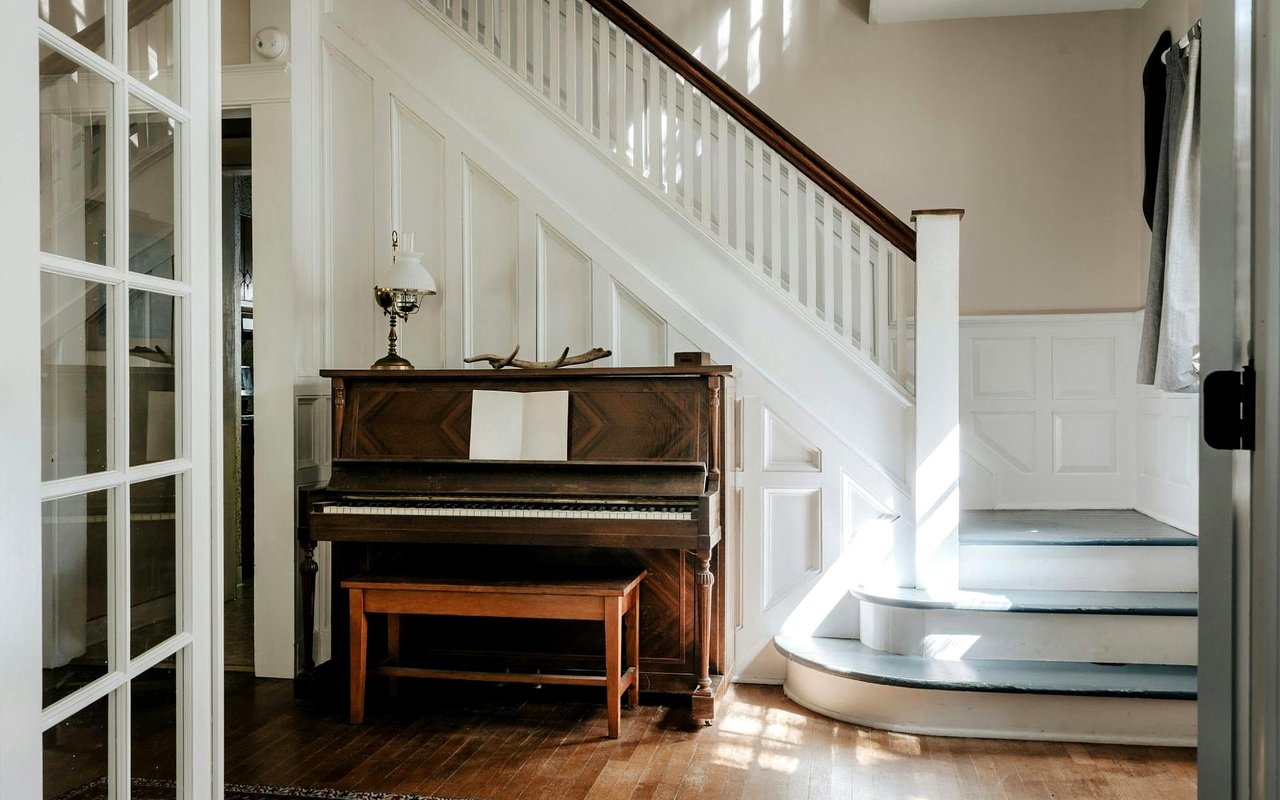
- Clear room purpose: Defined spaces help traditional Easton floor plans feel more intuitive
- Exterior polish: Entry appeal, walkways, and early-season landscaping matter as spring inventory comes online
This trend is especially relevant in Easton because the town includes everything from older in-town homes to newer construction, and the visual gap between well-prepared and loosely prepared property can be significant.
Historic Properties Continue to Occupy Their Own Lane
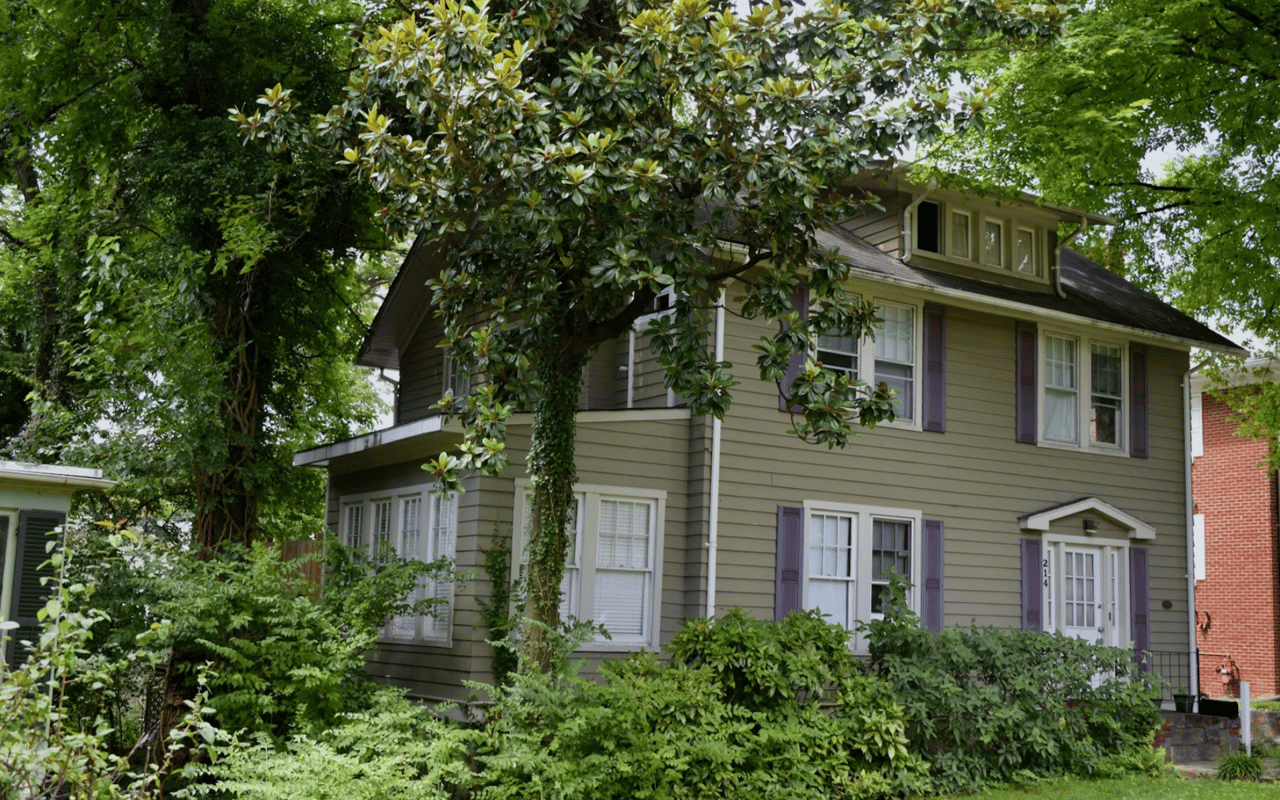
Historic Easton remains one of the clearest submarkets in town, and it operates with its own set of expectations.
The qualities that shape the historic-home segment
- Architectural integrity: Original details and proportional design still matter a great deal
- Commission oversight: Exterior alterations within the district remain subject to local review
- Walkable placement: Streets near downtown retain a different rhythm from edge-of-town subdivisions
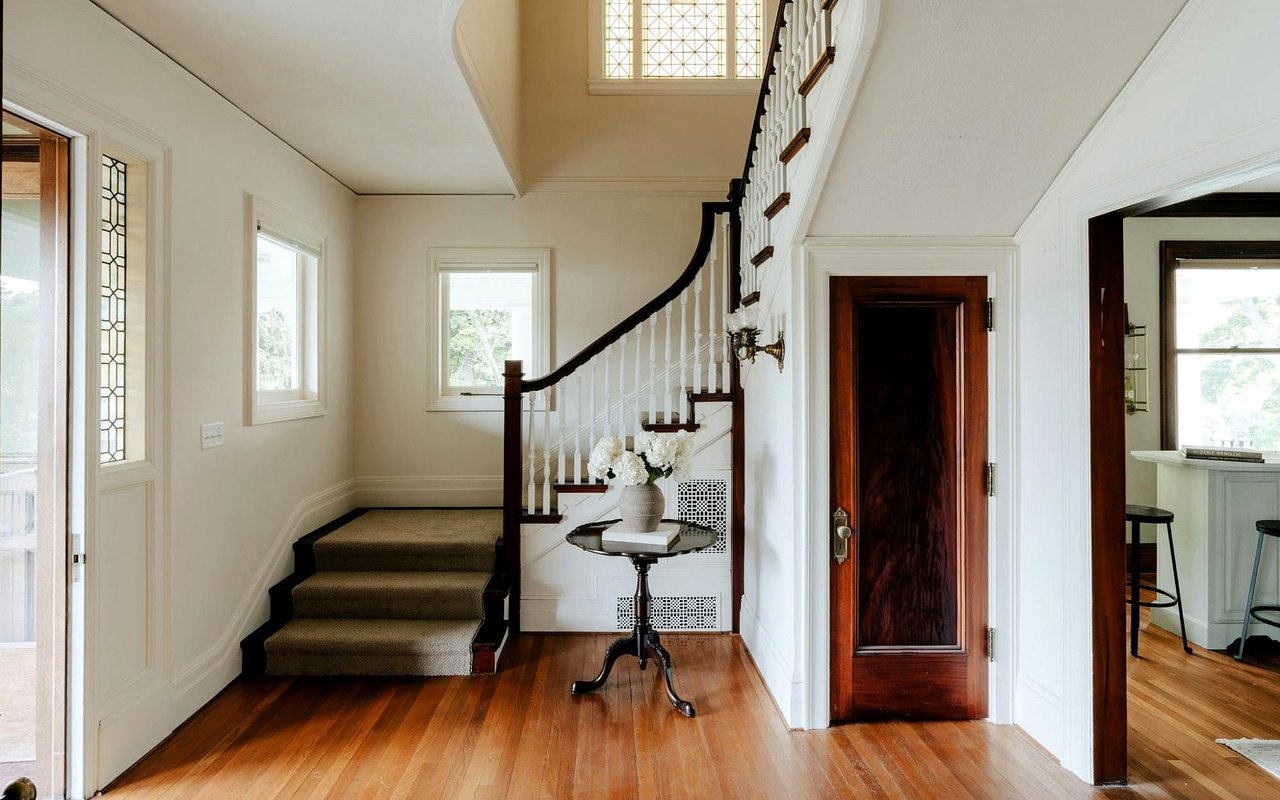
- Thoughtful updates: Kitchens, baths, and systems perform best when they feel aligned with the house itself
I always treat this segment separately because preservation standards, architectural character, and lot placement influence both value and preparation in a very specific way.
Newer Construction and New-Home Inventory Are Expanding Choice
One of the more noticeable qualitative shifts in Easton is the continued visibility of newly built homes and under-construction inventory.
The new-construction qualities affecting the spring market
- Main-level living: Floor plans with easier circulation remain very appealing
- Energy-saving features: Newer homes often gain attention for practical efficiency and simpler upkeep
- Open-concept layouts: More connected living areas continue to influence expectations across price ranges
- Builder-driven finishes: Quartz counters, larger kitchens, and bonus flex spaces are shaping what feels current
This has a ripple effect across Easton because resale homes are increasingly judged against the convenience and finish level offered by new construction.
Neighborhood Identity Is Playing a Bigger Role in Positioning
Easton is not behaving like a one-note market, and neighborhood context is becoming more important in how listings are understood.
The local distinctions I pay attention to most
- Downtown-adjacent streets: These homes benefit from historic setting and stronger in-town identity
- Communities like Cooke’s Hope: Established neighborhood branding and recognizable streetscapes influence perception
- Easton Village area: Water-oriented community design creates a different value story from central in-town homes
- Newer edge locations: These properties often compete on freshness, layout, and convenience
A good strategy in Easton usually begins with micro-location, since the value of one street can differ meaningfully from another only a few minutes away.
Planning and Preservation Are Part of the Market Conversation
Spring real estate in Easton is influenced by more than inventory and timing, because the town is actively planning for future growth while also protecting its historic fabric.
The local planning factors worth watching
- Comprehensive Plan Update: Townwide planning work is helping frame future development direction
- East End Small Area Plan: Easton is studying how a specific section of town may evolve
- Historic District standards: Preservation rules continue to shape how older properties are maintained and updated
- County planning framework: Broader Talbot County zoning and development rules add another layer around town growth
This matters in the spring market because thoughtful planning tends to support stronger long-term confidence in location and property type.
FAQs
What kinds of homes seem most appealing in Easton this spring?
I am seeing the strongest attention gather around homes that feel move-in-ready, visually cohesive, and well-matched to their neighborhood. Historic properties with thoughtful updates and newer homes with practical layouts are both standing out for different reasons.
Is Easton’s historic district still a distinct market segment?
Yes, very much so. Historic-district properties follow a different set of visual and regulatory expectations, and that continues to shape how they are prepared and positioned in spring.
Are planning and growth issues affecting Easton real estate right now?
Yes, because Easton is actively updating town planning and studying future development patterns while historic review remains in place. That combination helps make the market feel structured, intentional, and highly location-specific.
Contact Debbie Mangold Lipscomb Today
Easton has a real estate character that comes from more than spring inventory alone, shaped by its historic district, established communities like Cooke’s Hope, newer construction at the town’s edges, and the planning framework that continues to guide how the town grows.
Reach out to me,
Debbie Mangold Lipscomb, and I will help you compare Easton properties through the details that matter here, like neighborhood identity, architectural fit, presentation strategy, and how each listing relates to the very specific structure of this market.