By Debbie Mangold Lipscomb
If you’ve ever strolled the tree-lined streets of Easton, you know this town has a story to tell, and our homes are part of it. From Colonial-style gems to Victorian beauties, Easton’s historic neighborhoods offer more than charm; they offer a lifestyle rooted in craftsmanship, character, and community. As someone who lives and works here, I love helping buyers discover these one-of-a-kind homes—and sellers showcase what makes them truly special.
Key Takeaways
-
Historic Easton neighborhoods feature a variety of preserved architectural styles.
-
Older homes offer unique details you won’t find in newer builds.
-
Easton real estate includes walkable areas rich in culture, dining, and community events.
-
Buying a historic home means owning a piece of the town’s heritage, with modern updates.
Architectural Treasures Around Every Corner
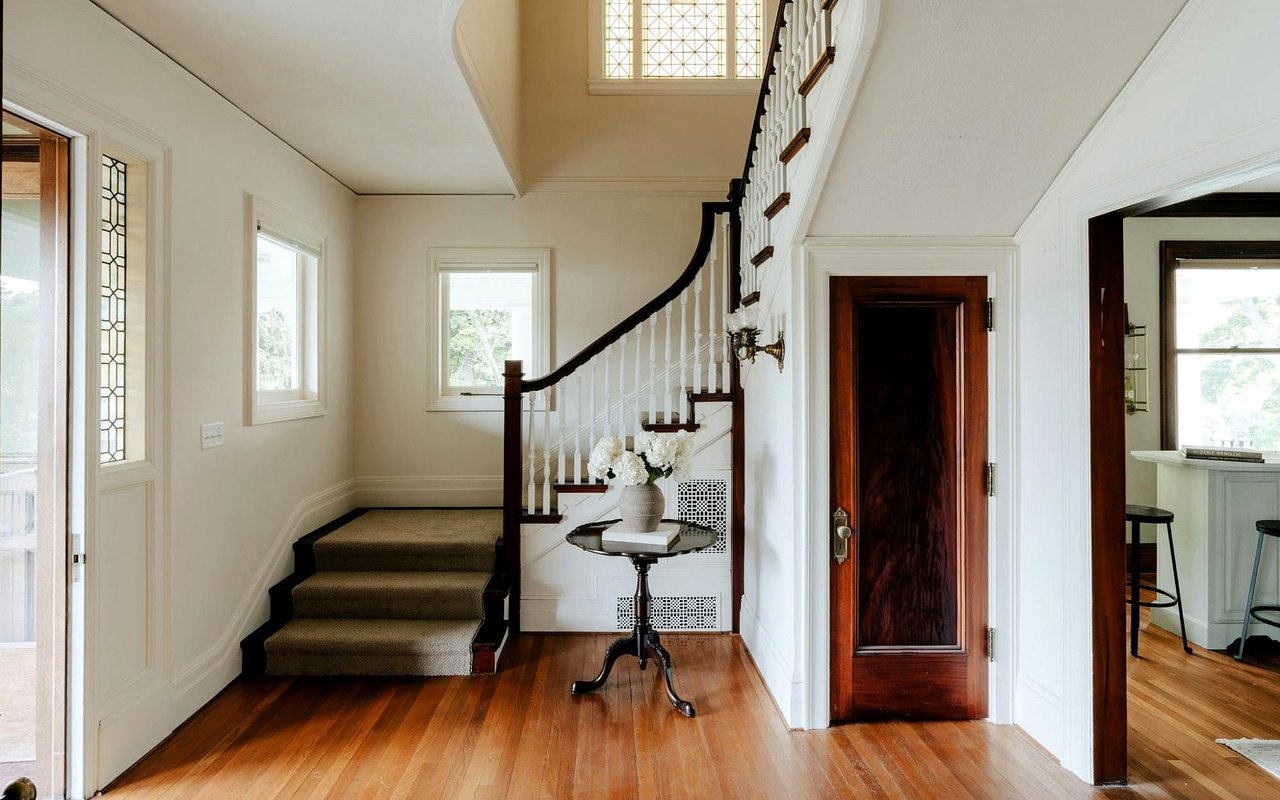
Easton’s historic homes are a showcase of American architectural history. Whether you’re drawn to detailed woodwork or grand porches, the town offers a wide range of design styles, each with its own story.
Why Buyers Love the Architecture in Easton:
-
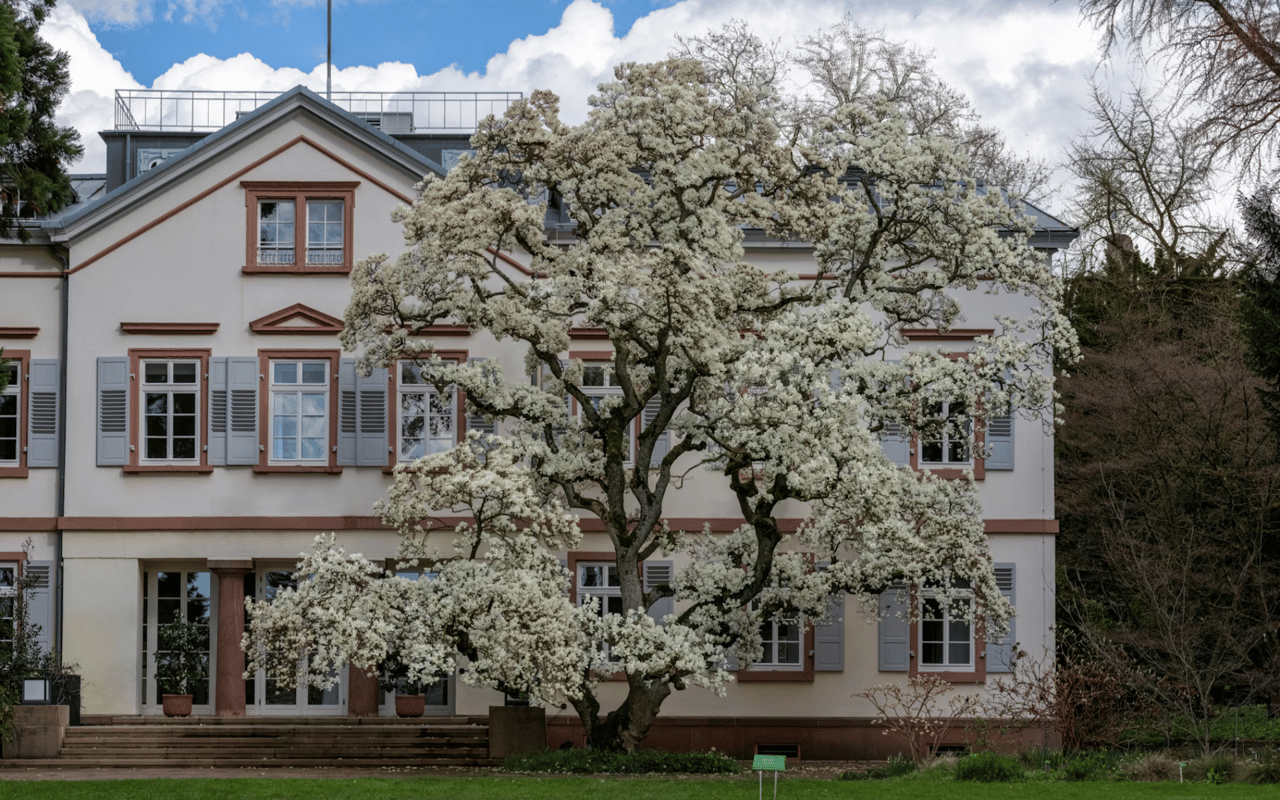
Federal and Georgian-Style Homes – Found near Harrison and Goldsborough Streets, these properties feature symmetrical facades, brick exteriors, and classic proportions.
-
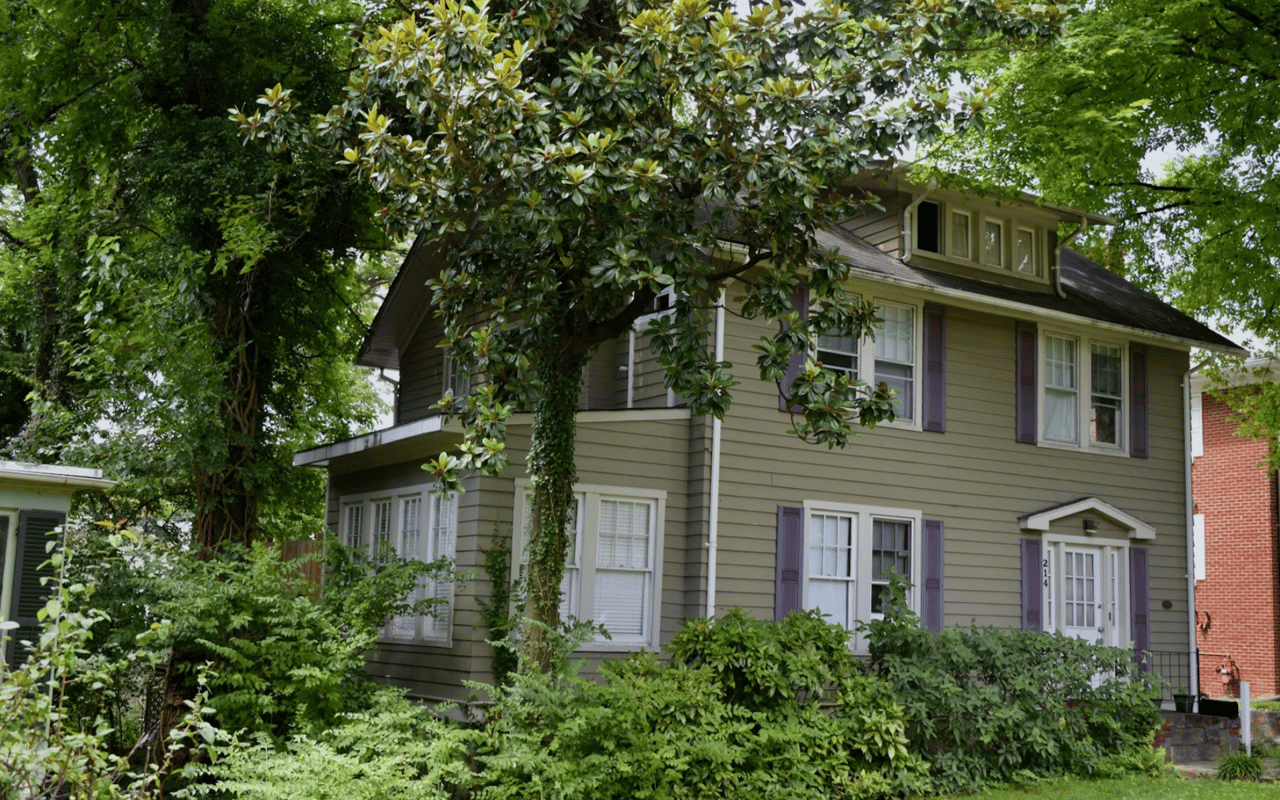
Victorian-Era Houses – Look for wraparound porches, decorative trim, and tall bay windows in neighborhoods like South Washington Street and the Historic Hill District.
-
Craftsman Bungalows – Popular in Easton’s earlier 20th-century developments, these homes are known for their broad front porches and hand-built details.
-
Restored Colonials – Some of Easton’s most admired homes combine 1700s architecture with tasteful modern renovations.
Each of these styles reflects a time when homes were built to last—and built to stand out.
Living in Easton’s Historic Districts
Easton’s historic neighborhoods offer a lifestyle that’s hard to match. Walkability, community pride, and access to local events make these areas especially appealing.
Everyday Perks of Life in a Historic Home:
-
Walk to the Avalon Theatre or Tidewater Inn – Enjoy a show, dine out, or attend one of Easton’s many local festivals without ever getting in your car.
-
Weekly Farmers Markets Nearby – Fresh produce, local flowers, and Eastern Shore seafood are just blocks away for many residents.
-
Tree-Lined Streets and Public Greenspaces – Historic neighborhoods like The Hill and East End are known for their mature landscaping and welcoming vibe.
-
Strong Community Ties – Neighbors here often become friends, and local organizations take pride in preserving the area’s beauty and heritage.
Living in a historic Easton neighborhood means being part of a community that values both the past and the present.
What to Know Before Buying a Historic Home
Buying a historic home is exciting, but it comes with unique considerations. From preservation guidelines to renovation potential, it’s important to go in informed.
Key Points for Historic Homebuyers:
-
Check for Historic Designations – Homes within the official Easton Historic District may require approvals for exterior changes.
-
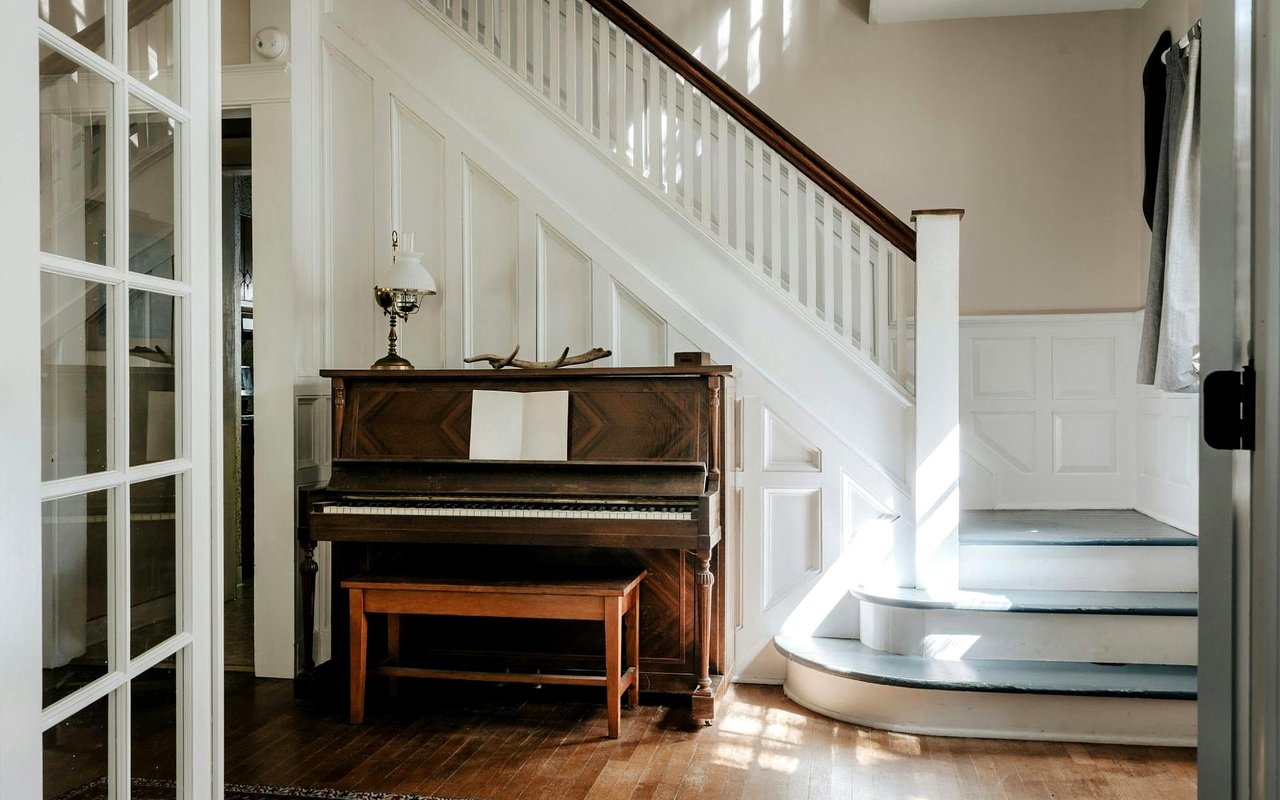
Look for Quality Restorations – Many historic homes have already been updated with new HVAC systems, kitchens, and plumbing, while keeping their original charm.
-
Ask About Property Tax Credits – Easton and Talbot County may offer tax benefits for qualified preservation efforts.
-
Work with Local Experts – Partnering with a real estate agent who knows Easton real estate (hint: me) can make all the difference.
I help clients navigate these unique details every day, so they can confidently invest in something that’s both beautiful and lasting.
FAQs
Are there modernized historic homes available in Easton?
Yes, many historic homes in Easton have been thoughtfully updated with modern kitchens, bathrooms, and energy-efficient systems.
Can I renovate a home in the Easton Historic District?
You can, but exterior changes may need to be approved by the town’s Historic District Commission to maintain architectural integrity.
Are historic homes in Easton more expensive to maintain?
They can be, depending on the condition and age of systems. However, restored homes with updated infrastructure often require less maintenance than expected.
Contact Me Today
If you’re drawn to Easton’s history, charm, and timeless architecture, I’d love to help you explore the neighborhoods and homes that make this town so special. From restored Victorians to elegant Colonials, Easton real estate offers rare finds with lasting appeal.
Reach out to me,
Debbie Mangold Lipscomb, and I’ll help you find a home that doesn’t just meet your needs—it reflects your style, your values, and your connection to the heart of the Eastern Shore.